
Based on a sermon by Michael Leader, Beverly Hills Baptist Church, on Philippians 4:8–9, 26 April 2026.
You’ve been there. Phone in hand at midnight, scrolling through disasters you can’t fix.
War. Cost of living. Political chaos. Climate anxiety. Another tragedy somewhere in the world.
It’s called doomscrolling – and it’s making us miserable.
But here’s the thing: the problem isn’t new. It’s just louder.
The world has always been dark
When Paul wrote to the church in Philippi, he was under house arrest, awaiting trial for a capital crime under Emperor Nero. The Christians he was writing to were facing real persecution. Their world was hard, frightening and morally chaotic – not unlike ours.
And yet Paul’s instruction wasn’t ignore reality or pretend everything’s fine.
It was something far more radical.
Think better.
An algorithm designed against you
Before Paul gets to his famous ‘think about such things’ list in Philippians 4:8, he already told the Philippians to rejoice always (verse 4) and to pray instead of panic (verses 6–7).
But he knew that was easier said than done. Because the world – then and now – is designed to make us question God’s goodness.
It started in the garden. The serpent’s first move was to make Eve doubt whether God was holding out on her. And the pattern has never changed.
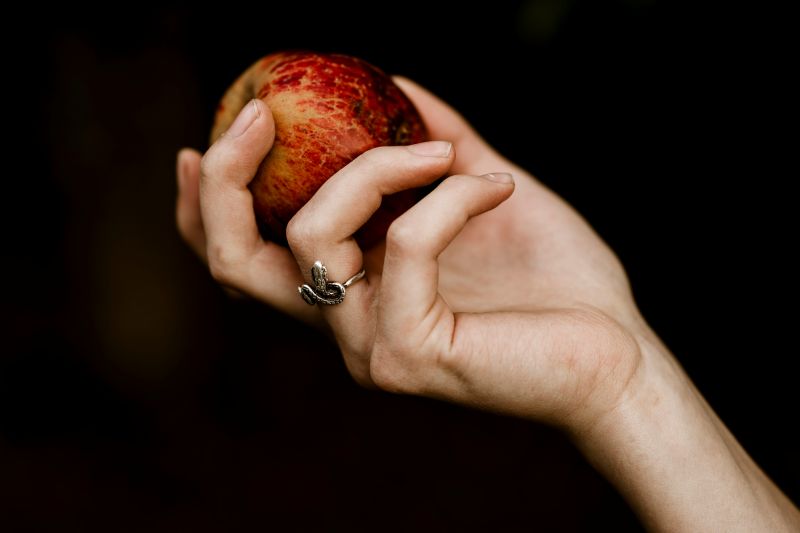
Today, that pattern has a business model. Social media algorithms are built to feed you more of whatever you’re already consuming. Click on one bad-news story and the machine serves up ten more. Pretty soon, you think the world is nothing but catastrophe.
And when your thinking goes dark, your emotions follow. Your joy drains. Your fear grows. You start to wonder – is God actually in control? Does He actually care?
What Paul says to do instead
‘Finally, brothers and sisters, whatever is true, whatever is noble, whatever is right, whatever is pure, whatever is lovely, whatever is admirable – if anything is excellent or praiseworthy – think about such things.’ (Philippians 4:8, NIV)
Notice what Paul doesn’t say. He doesn’t say only think about Scripture or only think about church things. His list – true, noble, right, pure, lovely, admirable – was actually drawn from virtues celebrated across Greco-Roman culture. He’s saying: look for the good in the world God made. It’s still there.

COVID was terrible. There’s no pretending otherwise. But in the middle of it, there were also breakthrough moments. Creative community. Surprising kindness. Medical innovation. People checking on their neighbours for the first time in years.
The darkness is real. But so is the light.
Four practical steps
Paul doesn’t leave it abstract. And neither should we.
Sit in beauty. Nature, music, a good meal, a film that moves you – whatever slows you down and lifts your eyes. Self-care isn’t selfish. It’s strategic.
Turn off the noise. A digital detox isn’t just nice – it’s necessary. Even two days offline can reset your nervous system and your soul. You’d be surprised how few things are actually urgent.

Avoid the garbage. You know what sends your thinking somewhere dark. Block it. Unfollow it. Turn it off. Kyle and Jackie O were amongst the worst offenders – and sometimes we do the work for them.
Feed on the good stuff. Open your Bible before you open your phone. Listen to a sermon. Worship. Pray. The book of Revelation was written during a period of brutal persecution – and it opens a window onto the heavenly courts, reminding terrified Christians that Rome’s emperors were defeated beasts on borrowed time. That’s what Scripture does. It reorients us.
And then something happens
‘Whatever you have learned or received or heard from me, or seen in me – put it into practice. And the God of peace will be with you.’ (Philippians 4:9, NIV)
It’s not just about thinking differently. It’s about doing differently.
Paul was under house arrest and still sharing the gospel with his guards. Still writing letters that became Holy Scripture. Still rejoicing.
The dark times, he knew, are actually the greatest opportunities. When people are scared and uncertain, they’re open. When the world feels unstable, kindness stands out. We may have more chances to drive someone to the shops, to share a meal, to be a listening ear – and to point people to Jesus – than we’ve had in years.
And when we do that? When we think rightly and act faithfully?
The peace of God comes. Not as a reward. As a gift. A peace that passes understanding, settling over everything we can’t control.
That’s the algorithm we want.
Not the one feeding us fear at midnight. The one that keeps returning us to what is true, noble, right, pure, lovely, admirable.
The one that ends in peace.
Brothers and sisters – whatever is excellent, whatever is praiseworthy – think about such things. And the God of peace will be with you.
 It's a God thing...
Comment on this post?