It’s been almost two weeks since I had minor surgery.
Minor, maybe, in the grand scheme of things. But significant enough to mean one ovary, two fallopian tubes and a baby’s head-sized ovarian cyst are no longer part of me.
It needed to happen, and I went into it willingly, knowing it was for my greater good.
But recovery has been kind of a lesson.
As I emerge from the little lockdown that is recovering from surgery, I’ve started to notice the evidence of love scattered around my house.
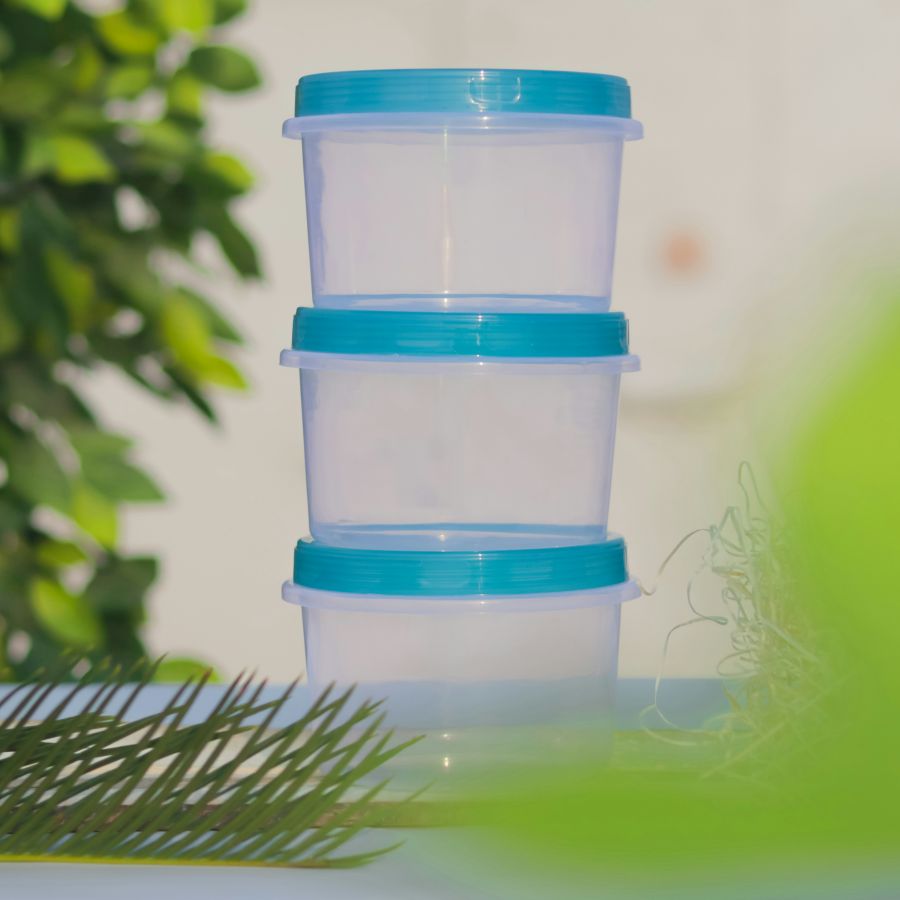
Plastic containers and casserole dishes waiting to be returned after three church friends brought us meals.
Vases that held flowers, now with petals beginning to fall.
Pamper products and cards from friends and family.
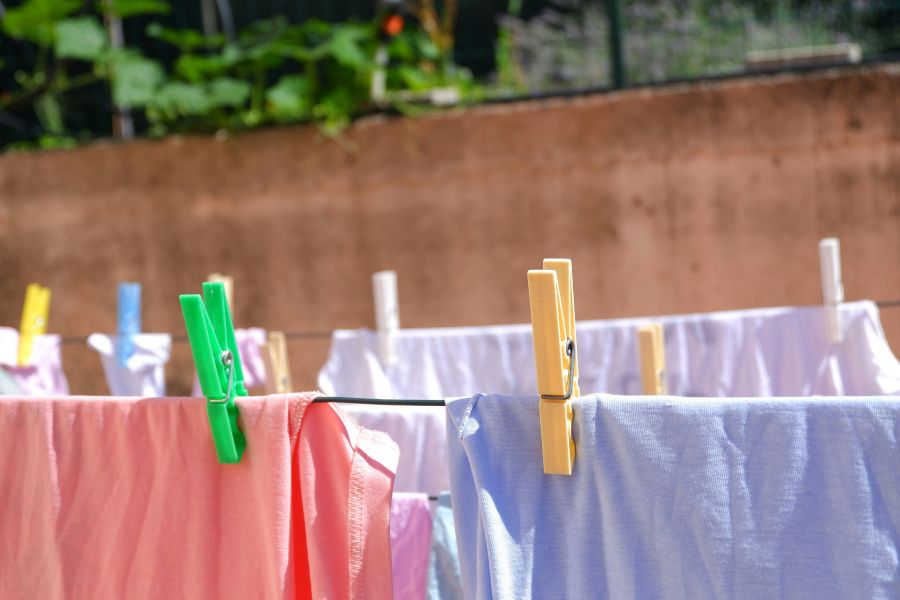
Washing hung on the line by my husband, and a previous load brought in by my son.
Groceries carried in by my other son because I’m not allowed to lift anything heavy for six weeks.
These are ordinary things.
But when you’re the one lying on the couch, unable to do the ordinary things for yourself, they don’t feel ordinary at all.
One of the unexpected lessons of recovery has been learning to receive.
I’m used to being busy. I like having things to do. I like being useful. I like getting things done.
Recovery has changed the goalposts.
These last two weeks, success wasn’t getting through my to-do list. It was getting through the day without overdoing it.
Sometimes the goal was simply to stay in the same position long enough for the ache and twangs from the incisions to settle down.
I had imagined all the things I would do with enforced time at home. Read all those books. Watch all those movies. Have a proper rest.
It turns out that when you’re used to a busy life, enforced rest doesn’t always feel restful.
After a while, I started longing for the stimulation of my normal life. The people. The projects. The movement. The feeling of being active and capable.
And that’s rattled me a little.
My body isn’t as strong or capable as it was before surgery. My mind feels slower too.
I don’t really like that feeling.
But there’s also been something beautiful about being forced to stop.
I’ve discovered that rest isn’t always something we choose because we’ve finished everything else.
Sometimes rest is something our bodies demand before we’re ready to give it.
And sometimes weakness is the very thing that allows us to experience how much we’re loved.
I’ve had to let people carry things for me.
Literally, in some cases.
But also in ways that go deeper than groceries and washing.
I’ve had to let people care for me without feeling like I need to repay them by being useful.
And perhaps that’s part of what God’s been teaching me.
We’re not designed to be self-sufficient.
There’s a strange kind of freedom in admitting that we’re weak, that we need other people, and that sometimes the most faith-filled thing we can do is stop.
I’m grateful to be recovering in a safe and comfortable home, surrounded by people who love me.
But more than that, I’m grateful for a God who meets us in our weakness.
Paul writes:
“And the peace of God, which transcends all understanding, will guard your hearts and your minds in Christ Jesus.”
Philippians 4:7
I’ve known that verse for years.
But sometimes you understand a truth differently when you have nothing left to do but lie still and receive it.
Maybe you’re in a season where your own goalposts have shifted too.
Maybe your body isn’t doing what it used to do.
Maybe circumstances have taken away your usual productivity.
Maybe you’re tired. Dependent. Limited. Not quite yourself.

Perhaps you’re frustrated by your weakness.
I get it.
But weakness isn’t failure.
You don’t have to rush back to being strong.
Sometimes the goal for today is simply to rest.
To receive.
To let someone else carry something for you.
And to trust that God is still at work, even when you can’t do very much at all.
It’s okay to be weak for a little while.
In fact, you may discover that there is strength in letting yourself be weak.


Comment on this post?